Meet Your First Investment: America's #1 Scooter Fleet
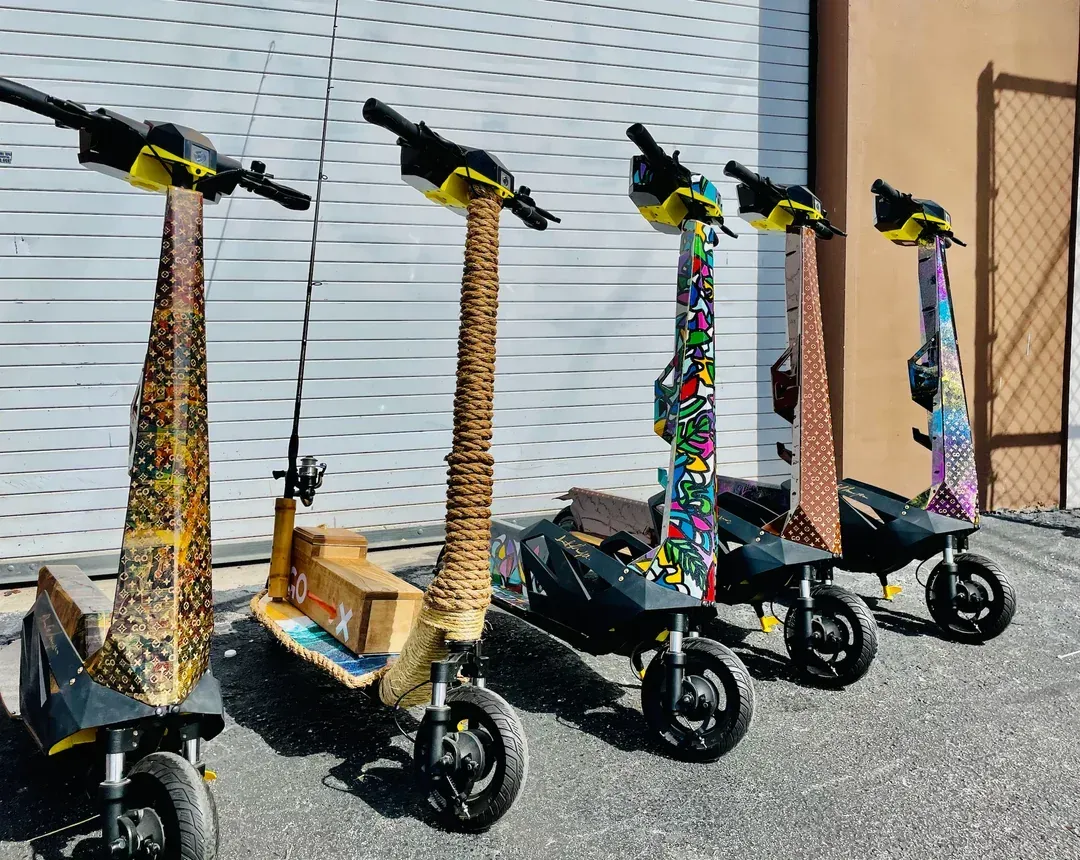
This Is Exactly What You're Buying Into
Let's get specific.
When you invest through Medici, you're not buying some abstract "exposure to micromobility." You're buying fractional ownership of scooters from Go X—the #1 B2B scooter company in Florida, Louisiana, Nevada, and Hawaii.
This post breaks down exactly what that means. The fleet. The markets. The numbers. The competitive position. Everything you need to know about the assets backing your investment.
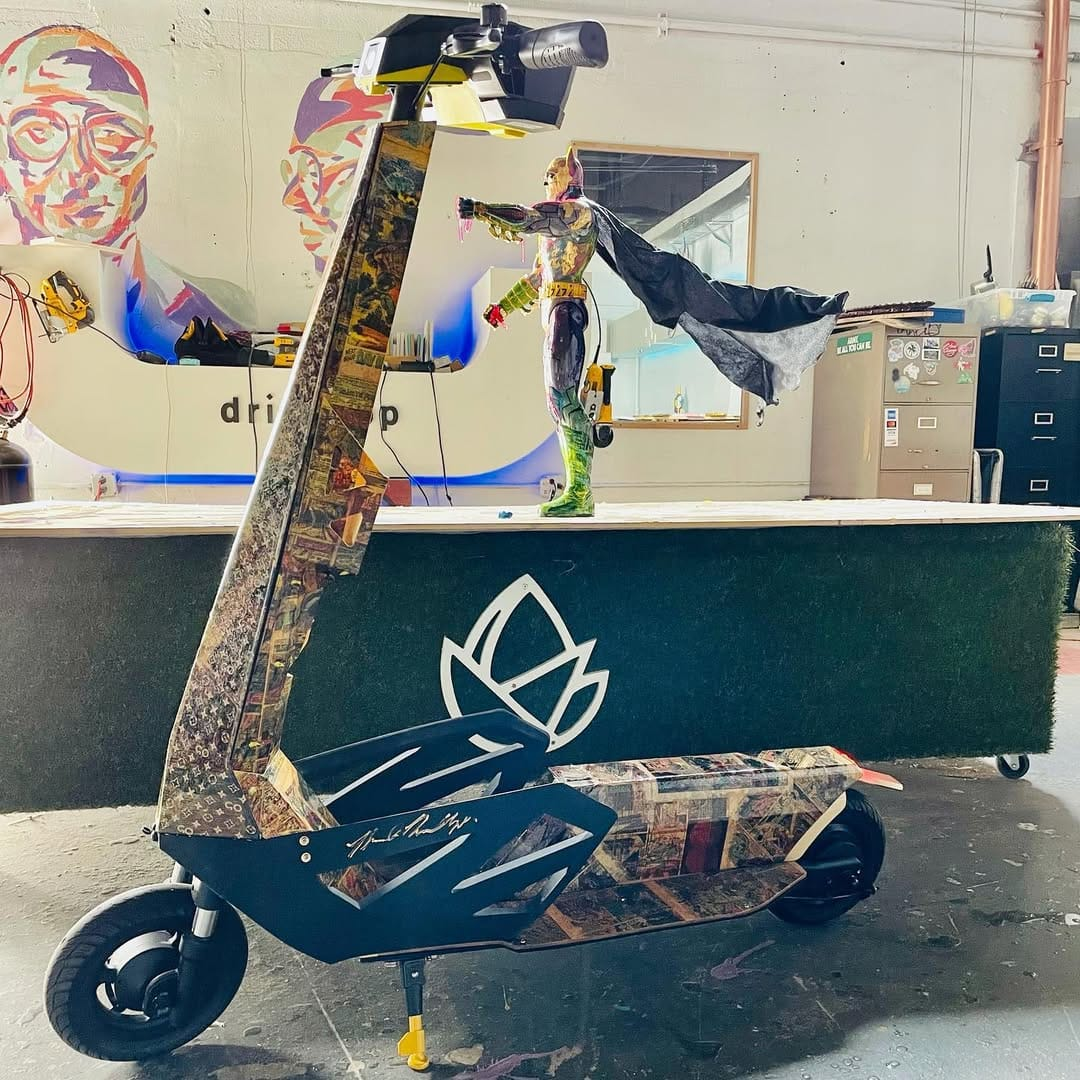
The Fleet: Built Different
Every Go X scooter is commercial-grade hardware designed for thousands of rides:
| Specification | Details |
|---|---|
| Weight Capacity | 265 lbs |
| Range | 30-40 miles per charge |
| Top Speed | 15-18 mph (varies by market) |
| Component Testing | 10,000+ miles before deployment |
| Connectivity | 5G GPS tracking, accurate to 3 feet |
| Weather Sealing | Hurricane-tested in Florida |
These aren't the flimsy consumer scooters you see abandoned on sidewalks. Go X builds tanks that ride like dreams. The same scooter that handles a 250-lb tourist in Vegas heat performs just as well for a 120-lb college student in New Orleans rain.
Why this matters for your investment: Durability = longer asset life = more total rides = better lifetime returns.
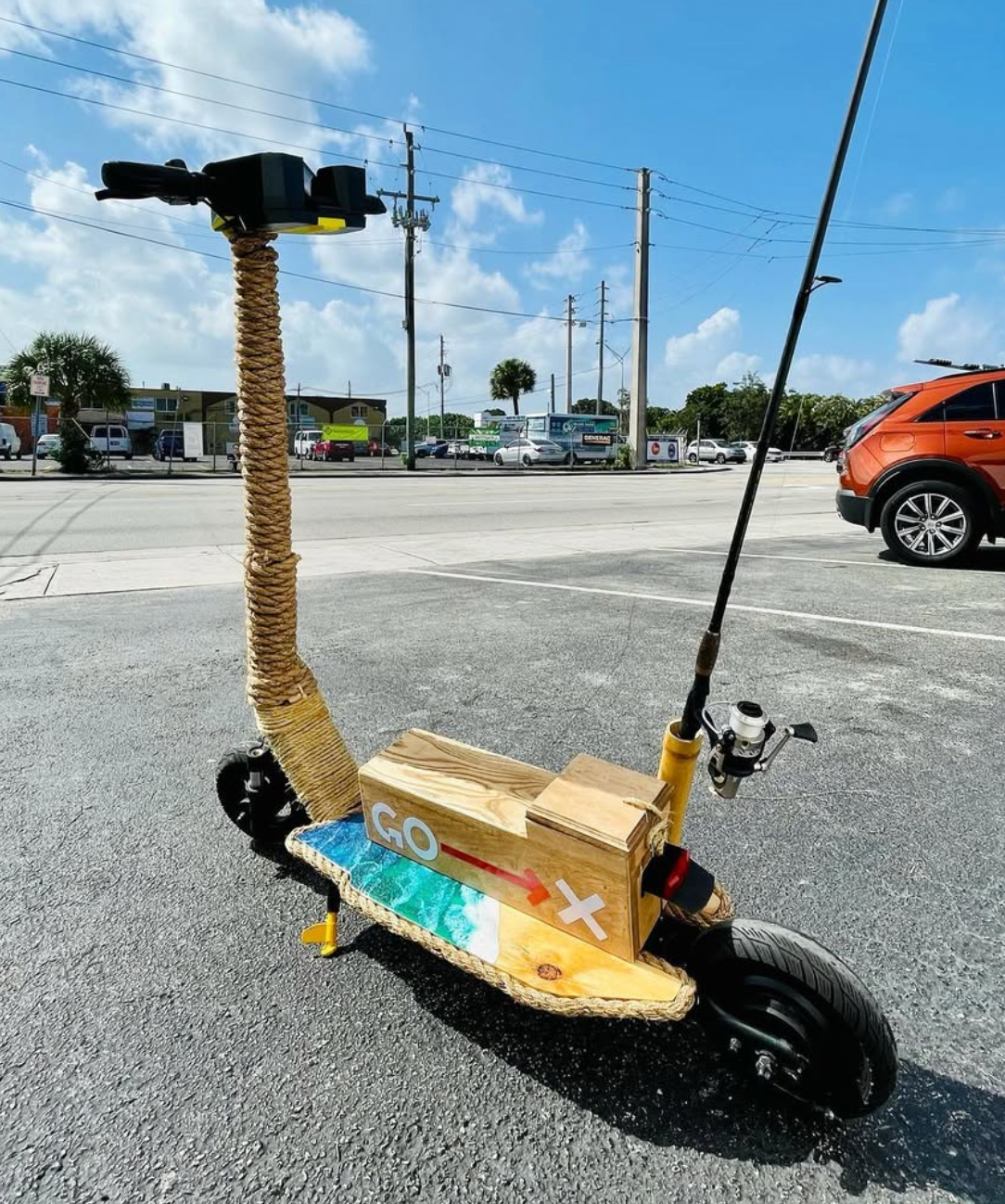
The Markets: Strategic Domination
Go X doesn't operate everywhere. It operates in the markets that matter most for micromobility—and dominates them.
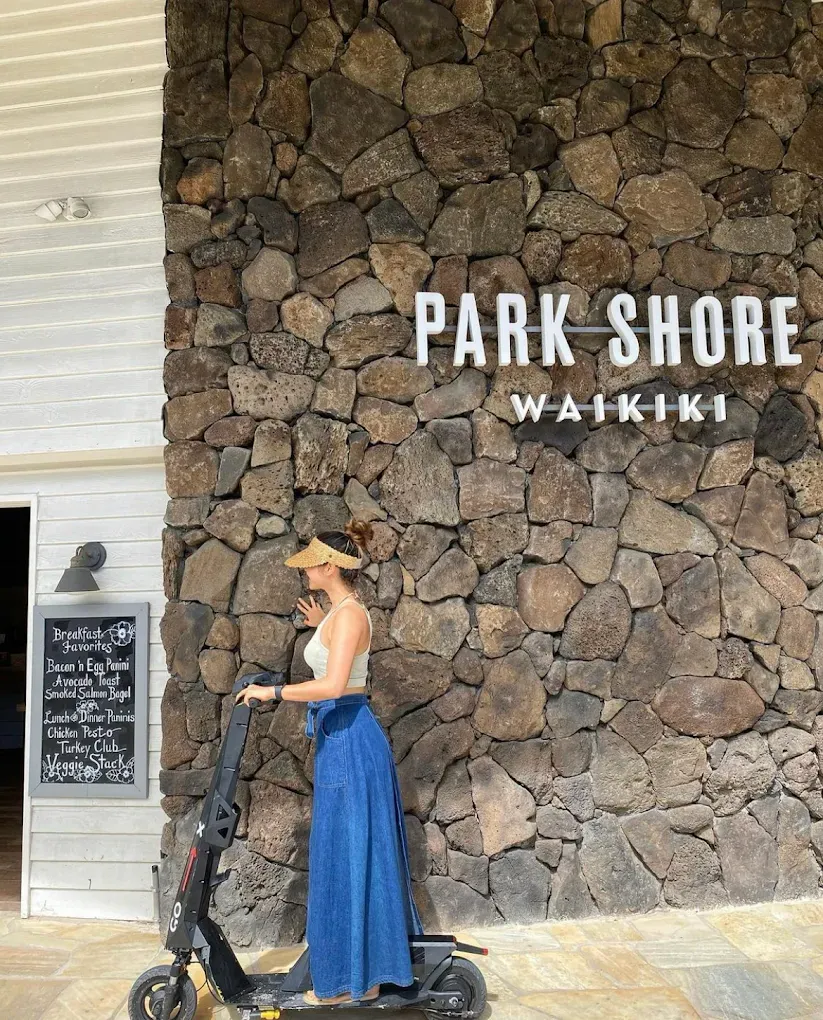
Honolulu, Hawaii
Position: #1 operator, only 24/7 service
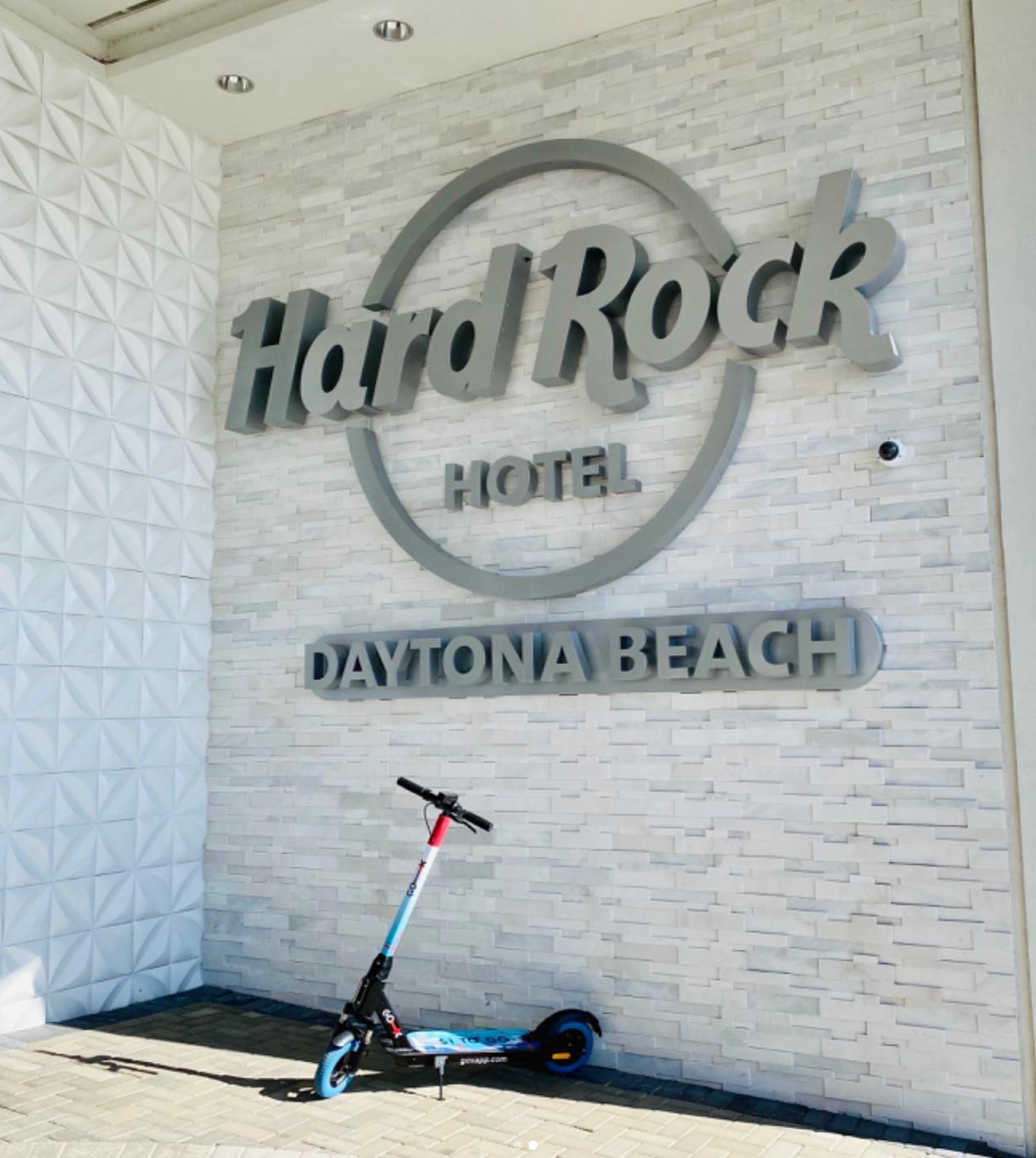
Partners: 90+ (International Market Place, Alohilani Resort, Hawaii Pacific University, Waikiki Brewing Company)
Proven demand: 1.5M+ miles over 4 years
Market significance: The #1 U.S. city for trips under 3 miles
New Orleans, Louisiana
Position: #1 operator
Partners: 40+ (launched in 30 days—fastest ever)
Coverage: French Quarter, Garden District, Loyola University
Market significance: The #2 U.S. city for micromobility
Florida Beach Towns
Position: #1 operator
Partners: 80+ across Siesta Key, Clearwater, St. Pete Beach, Treasure Island, Madeira Beach
Regulatory status: Named by Treasure Island as approved operator
Market significance: Year-round tourism, beach-to-beach trips
Las Vegas, Nevada
Position: Expanding
Partners: Howard Johnson, Nirvana Hotel, Vegas Slingshot Rentals, and growing
Market significance: The #6 U.S. city for micromobility, entertainment capital
The Numbers: What the Competition Couldn't Do
Here's the competitive landscape you're investing into:
| Company | Total Raised | Current Status |
|---|---|---|
| Bird | $750M+ | Filed bankruptcy |
| Lime | $900M+ | Struggled for years to reach profitability |
| Spin | $100M+ | Bought and sold multiple times |
| Jump | $100M+ | Uber gave up, sold to Lime |
| Go X | Seed round | Profitable. #1 in 4 states. |
While competitors burned through billions, Go X built the #1 position in four states on initial seed funding. That capital efficiency flows directly to your investment returns.
The B2B Model: Why It Works
Traditional scooter companies (Bird, Lime) use a B2C model:
- Dump scooters on sidewalks
- Hope random people rent them
- Fight with cities over regulations
- Pay workers to redistribute scattered scooters
- Burn cash on customer acquisition
Go X uses a B2B model:
- Station scooters at partner businesses
- Partners actively drive customers to scooters
- Cities approve (and even name Go X in regulations)
- Scooters stay where demand exists
- Partners earn revenue, creating loyalty
The result: Higher utilization, lower operating costs, regulatory moat, partner network that compounds over time.
When you invest through Medici, you're buying into this model—not just a scooter.
The Technology Edge
Go X isn't just an operator. It's a technology company.
Self-Driving Scooters: In 2020, Go X launched the world's first autonomous scooter fleet in Georgia. Request a scooter through the app; watch it drive itself to you. Fast Company gave them a World Changing Ideas Award.
Fleet Management: Real-time tracking of every scooter. Predictive maintenance alerts. Automatic redistribution optimization. Data from 1.5M+ miles informing every placement decision.
Partner Integration: Systems that let 350+ business partners track performance, coordinate restocking, and monitor their revenue share.
This technology reduces operating costs and increases utilization—both of which improve your returns.
The Acquisition Strategy: $150M+ in Assets
Over three years, Go X acquired seven companies that had collectively raised $150M+ in venture capital:
- Bolt: ~$70M raised, assets acquired
- Link and Lyft scooter divisions: In process
- Multiple regional operators: Consolidated
Each acquisition brought:
- Fleet assets (scooters, e-bikes, charging infrastructure)
- Market presence (permits, partner relationships)
- Operational learning (years of data and optimization)
Go X bought these assets for pennies on the dollar and transformed them using the B2B model. Your investment benefits from infrastructure that cost others hundreds of millions to build.
Pricing and Unit Economics
Here's how rides translate to revenue:
| Market | Unlock Fee | Per-Minute Rate | Daily Pass |
|---|---|---|---|
| Hawaii | $1.00 | $0.39/min | $29.99 |
| New Orleans | $1.00 | $0.25/min | $29.99 |
| Las Vegas | $1.00 | $0.88/min | $29.99 |
| Florida | $1.00 | $0.35/min | $29.99 |
A typical 10-minute ride generates $3-10 depending on market. With scooters averaging multiple rides per day in high-traffic locations, the revenue adds up quickly.
Operating costs are managed through:
- B2B model (reduced redistribution costs)
- Commercial-grade hardware (fewer repairs)
- 24/7 professional maintenance (preventive vs. reactive)
- Self-driving technology (where deployed)
The margin between ride revenue and operating cost is your return.
What You Own
When you invest in a Go X scooter through Medici:
You own: Fractional equity in a specific physical asset
You earn: Your proportional share of ride revenue (minus operating costs)
You track: Real-time performance data on your asset
You don't deal with: Maintenance, charging, partner relationships, regulatory compliance, or any operational headaches
The scooter generates income. Go X handles operations. Medici handles the ownership structure. You collect returns.
Why "First" Matters
There's a reason we say "your first investment."
Medici is building a platform of multiple income-generating asset classes. Scooters are first because they prove the model works—real assets, real cash flows, real returns you can track.
As you gain confidence in the platform, you can diversify:
- Multiple scooters across different markets
- Different asset classes as they launch (electric cars, Bitcoin ATMs, real estate)
- Different risk/return profiles matching your goals
But it starts here. With the #1 scooter fleet in America. With four years of proven performance. With an operator that built an empire while competitors burned billions.
Your first investment. The foundation of your passive income portfolio.
The Bottom Line
When you invest through Medici, you're buying:
✅ Commercial-grade hardware tested for 10,000+ miles
✅ Position in the #1, #2, and #6 micromobility markets in the U.S.
✅ Access to 350+ business partners actively driving demand
✅ Technology that won a Fast Company award
✅ Operations from a team that outperformed $150M+ funded competitors
✅ Regulatory relationships built over 4+ years
This isn't speculation. This is the best scooter fleet in America, available for fractional investment starting at $10.
Meet your first investment.